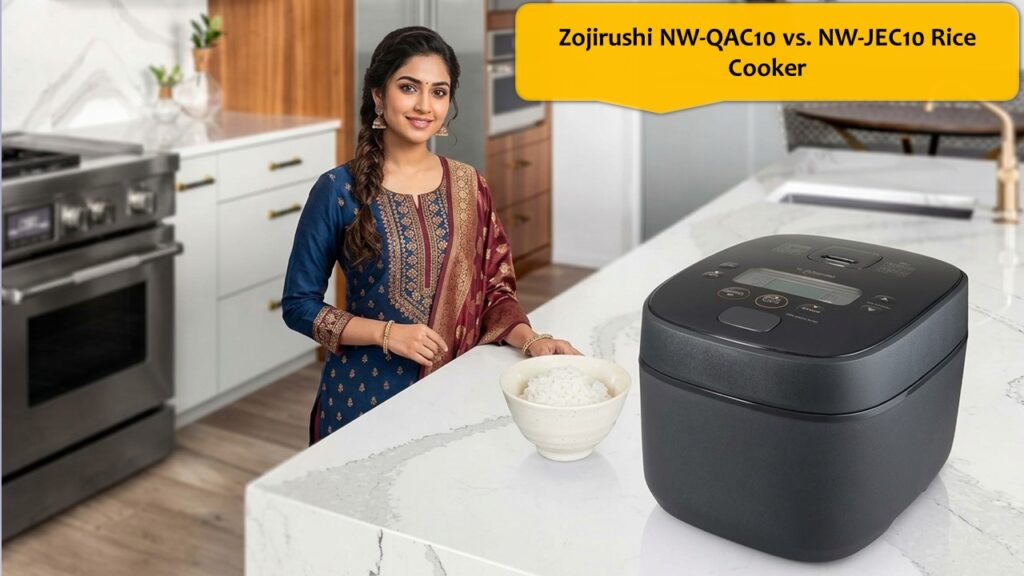
There is a specific, hushed reverie that occurs in a kitchen when the “Twinkle, Twinkle, Little Star” melody chimes from a Zojirushi rice cooker. It’s the sound of a perfect meal about to begin. However, as I stood in my kitchen recently with both the Zojirushi NW-QAC10 and the Zojirushi NW-JEC10 side-by-side, I realized that even within the world of high-end Japanese engineering, not all “perfect” rice is created equal.
I’ve spent the last few weeks living a high-carb dream, testing every grain from standard long-grain Jasmine to finicky steel-cut oatmeal and nutrient-dense GABA brown rice. What I discovered is that while both machines use Induction Heating (IH) to create a heat “envelope” around the rice, the way they treat that grain during the final stages of cooking is fundamentally different. One is a sleek, modern, flat-top powerhouse that excels at versatility and steaming; the other is an AI-driven, pressurized masterclass in texture that feels more like a laboratory instrument than a kitchen appliance.
If you are trying to justify the jump from a standard induction model to the “Made in Japan” pressure series, let’s break down the actual, plate-side results.
The Key Difference: Zojirushi NW-QAC10 vs NW-JEC10 Rice Cooker
When you strip away the stainless steel and the digital displays, the core difference between the NW-QAC10 and the NW-JEC10 is Pressurized Gelatinization.
- The Zojirushi NW-QAC10 is a high-heat Induction Heating (IH) It uses electromagnetic coils to heat the entire inner pan instantly. It relies on precise temperature adjustments and a “Flat-Top” design to produce fluffy, separate grains. It also includes a dedicated Steam Function with a BPA-free tray, making it a multi-tasker.
- The Zojirushi NW-JEC10 is a Pressure Induction Heating (IH) It adds a variable pressure system that automatically selects from three pressure levels. By increasing the internal pressure, it raises the boiling point of water beyond 100°C (212°F), forcing moisture into the center of every grain. This promotes gelatinization, making the rice stickier, plumper, and sweeter. It also features Artificial Intelligence (AI) that “learns” from your environment to adjust the cook time.
Essentially, the QAC10 is the king of “Fluffy and Versatile,” while the JEC10 is the master of “Plump and Premium.”
Comparison Table: Zojirushi NW-QAC10 vs NW-JEC10 Rice Cooker
| Feature | Zojirushi NW-QAC10 (Flat-Top) | Zojirushi NW-JEC10 (Pressure IH) |
| Heating Tech | Induction Heating (IH) | Pressure + Induction Heating (IH) |
| Intelligence | Micom / Precision Heat | Advanced Fuzzy Logic with AI |
| Specialty Mode | Steam Function (with Tray) | Pressure Steaming (Gelatinization) |
| Country of Origin | China (Designed in Japan) | Made in Japan |
| Menu Settings | Jasmine, Quinoa, Steel-Cut Oats | Multi-texture Pressure Settings |
| Inner Pan | Double Non-Stick Coating | Heavy-Duty Pressure Pan |
| Dimensions | 12.25″D x 9.25″W x 7.88″H | 13.62″D x 10.75″W x 8.5″H |
| Cleaning | Flat-Top (Easy Wipe) | Hand Wash (Removable Inner Lid) |
| View Current Price on Amazon | View on Amazon | View on Amazon |
Detailed Comparative Review: My Kitchen Experience
-
Design and Aesthetic: The Flat-Top vs. The Command Center
The first thing I noticed about the NW-QAC10 is how remarkably “un-rice-cooker-like” it looks. It has a flat-top design with a sleek, minimalist black finish. In a modern kitchen, this is a huge win. Because the top is flat and the steam vent is integrated so cleanly, it’s incredibly easy to wipe down. There are no awkward crevices for starch to hide in.
The NW-JEC10, however, feels like a piece of high-end machinery. It is larger, heavier, and has the “Made in Japan” build quality that Zojirushi fans crave. It’s a “Black/BA” finish that looks very professional. The lid is thicker because it has to house the pressure regulators and the locking mechanism. When you close the lid on the JEC10, it feels like you’re locking a vault. If you have limited counter space, the QAC10’s smaller footprint is a distinct advantage, but the JEC10 has a “prestige” presence that’s hard to ignore.

- High Heat and Fine Heat Adjustments: The Zojirushi NW-QAC10 5.5-Cup Capacity Induction Cooker generates high heat and offers precise heat adjustments, resulting in...
- Convenient Steam Function: The Zojirushi NW-QAC10 comes with a convenient steam function that includes an adjustable timer and a BPA-free steaming tray accessory,...

- Capacity Up to 5.5 cups uncooked rice / 1.0 liter
- Pressurized Cooking and Steaming: Promotes gelatinization and produces sticky and plump rice Automatically selects from 3 pressure levels according to the menu...
-
Ease of Use: The Learning Curve
Both machines utilize the standard Zojirushi interface – a clear LCD and a “Menu” button that cycles through choices.
- NW-QAC10 Experience: This machine is the definition of “user-friendly.” I loved the dedicated Jasmine Rice Many high-end Japanese cookers struggle with long-grain Jasmine because they are tuned for short-grain Japonica rice. The QAC10 nailed it on the first try. The water measure lines for 1/2 cups of rice are a thoughtful touch for single-person meals.
- NW-JEC10 Experience: This machine uses AI technology. The first few times I used it, the cook times varied slightly as the machine “learned” the room temperature and how much water I was using. The JEC10 automatically selects from three pressure levels. You don’t have to be a scientist to use it, but there is a sense of “gravity” to the process. The “Self-Standing Spatula” included with this model is a minor but incredibly helpful accessory that kept my counters clean.
-
Functions: Texture vs. Variety
This is where I spent the most time testing. I ran a “Brown Rice Challenge” between the two.
- NW-QAC10: The brown rice was fluffy and well-cooked. It felt “clean” on the palate. However, the standout feature here is the Steam Function. I used the BPA-free tray to steam some salmon and broccoli while the rice cooked below. It’s an efficient, one-pot-meal machine that makes it a powerhouse for busy weeknights.
- NW-JEC10: The brown rice from the JEC10 was on another level. Because of the pressure, the tough outer bran of the brown rice was softened significantly. It was chewy without being tough. The JEC10 also has a “Pressure Steaming” phase at the end of the cycle. It applies a final burst of pressure to burn off excess moisture. This resulted in rice that was plump and glistening – the kind of rice you find in high-end sushi restaurants in Tokyo.
| Cooking Task | NW-QAC10 (Flat-Top) | NW-JEC10 (Pressure) |
| White Rice (Standard) | Fluffy, individual grains. | Plump, sticky, and sweet. |
| Brown Rice | Good; traditional texture. | Superior; softened and nutty. |
| Steel-Cut Oats | Creamy and convenient. | Not a primary focus; but doable. |
| Quinoa/Mixed | Excellent; zero sticking. | Possible; but pressure can over-soften. |
-
Maintenance: The “Starch” Factor
Let’s talk about the cleanup, which is usually the deal-breaker for me.
The NW-QAC10 is the easiest Zojirushi I’ve ever cleaned. The double non-stick coating on the pan is legit – even after leaving a bit of rice in there overnight (for science!), it wiped clean with a soft sponge. The flat-top lid means that any steam splatter just stays on the surface for a quick wipe.
The NW-JEC10 requires a bit more care. Because it is a pressure cooker, the inner lid has a gasket and a filter that must be cleaned after every use to prevent starch buildup from clogging the pressure valves. It’s not difficult – the inner lid pops right out – but it is an extra step that you can’t skip if you want the machine to last a decade.
Zojirushi NW-QAC10 (The Modern Multi-Tasker)
- High Heat and Fine Heat Adjustments: The Zojirushi NW-QAC10 5.5-Cup Capacity Induction Cooker generates high heat and offers precise heat adjustments, resulting in...
- Convenient Steam Function: The Zojirushi NW-QAC10 comes with a convenient steam function that includes an adjustable timer and a BPA-free steaming tray accessory,...
Pros:
- Versatility: The steam tray and timer are game-changers for healthy meals.
- Design: Flat-top is the easiest design to clean in the Zojirushi lineup.
- Jasmine Mode: Specifically tuned for long-grain rice varieties.
- Price: Much more accessible than the pressure series.
Cons:
- Texture: Lacks the “plumpness” that only pressure can provide.
- Origin: Not made in Japan (though quality control is excellent).
Zojirushi NW-JEC10 (The Gold Standard)
- Capacity Up to 5.5 cups uncooked rice / 1.0 liter
- Pressurized Cooking and Steaming: Promotes gelatinization and produces sticky and plump rice Automatically selects from 3 pressure levels according to the menu...
Pros:
- Texture Mastery: Pressure creates the best rice texture possible – period.
- AI Intelligence: Adjusts to your kitchen environment for consistent results.
- Build Quality: “Made in Japan” is a badge of longevity and precision.
- GABA Brown: Makes the most digestible and soft brown rice I’ve ever tasted.
Cons:
- Maintenance: More parts to clean due to the pressure system.
- Size: Heavier and takes up more room on the counter.
- Cost: A significant investment for a kitchen appliance.
The Conclusion: My Final Recommendation
After consuming enough rice to satisfy a small village, I’ve realized these two machines serve different masters.
Choose the Zojirushi NW-QAC10 if: You want a modern, high-tech cooker that makes life easier. If you often cook Jasmine rice, like the idea of steaming vegetables while your rice cooks, and value a 10-second cleanup, the QAC10 is the best IH cooker on the market. It’s the “Smart Choice” for the average home cook who wants excellent rice and high versatility.
Choose the Zojirushi NW-JEC10 if: You are a “Rice Purist.” If you eat rice with every meal, if you are a fan of sticky, plump short-grain rice, or if you primarily eat brown rice and want it to taste like white rice, the JEC10 is worth every penny. The pressure technology changes the molecular structure of the grain in a way that standard induction simply cannot mimic. It is the “Best Choice” for those who view rice as the star of the plate, not just a side dish.
My Personal Take: I find myself reaching for the NW-QAC10 more often on weekdays because of the steam tray, but for Sunday dinners or sushi nights, the NW-JEC10 is the only machine that delivers that specific, restaurant-quality “plump” grain.
Frequently Asked Questions
-
Does the NW-JEC10 really cook faster because of the pressure?
Surprisingly, no. While pressure can speed things up, Zojirushi uses that pressure to improve the quality of the soak and the steam. A standard white rice cycle still takes about 45–55 minutes. If you’re in a hurry, both have a “Quick” mode, but you’ll sacrifice a bit of that perfect texture.
-
Is “Made in Japan” actually better?
In the world of Zojirushi, the Japanese-made models (like the NW-JEC10) often feature more robust internal components and more advanced AI sensors. However, the Chinese-made models (like the NW-QAC10) are built to the exact same design specifications. The difference is more about the advanced “Pressure” technology being exclusive to the Japanese production lines.
-
Can I cook Quinoa in the JEC10?
Yes, but you have to be careful with water ratios. Because the JEC10 uses pressure, it can turn quinoa into “mush” if you use the standard white rice setting. The NW-QAC10 actually has a dedicated Quinoa setting, making it the safer bet for ancient grains.
-
Why does the JEC10 have 4 pressure settings?
It uses these settings to target different rice textures – from “Firm” to “Soft” to “Sticky.” By adjusting the pressure at different stages of the boil, the AI can customize the “bite” of the rice to your personal preference.
-
Is the non-stick coating safe?
Yes, both models use high-quality, BPA-free, food-grade non-stick coatings. The NW-QAC10’s “Double Coating” is particularly impressive for longevity, as it’s designed to withstand the friction of washing rice directly in the pan (though I still recommend using a separate bowl for washing!).